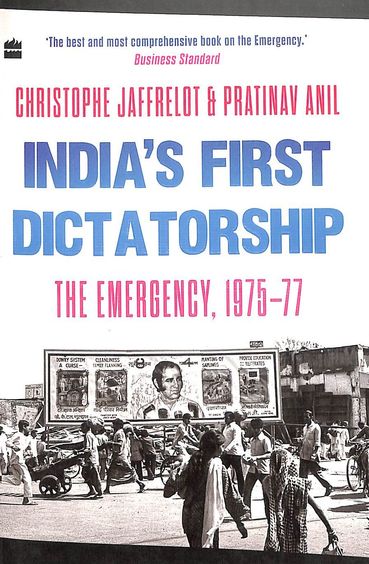
Indias First Dictatorship : The Emergency
Original price was: ₹499.00.₹400.00Current price is: ₹400.00.
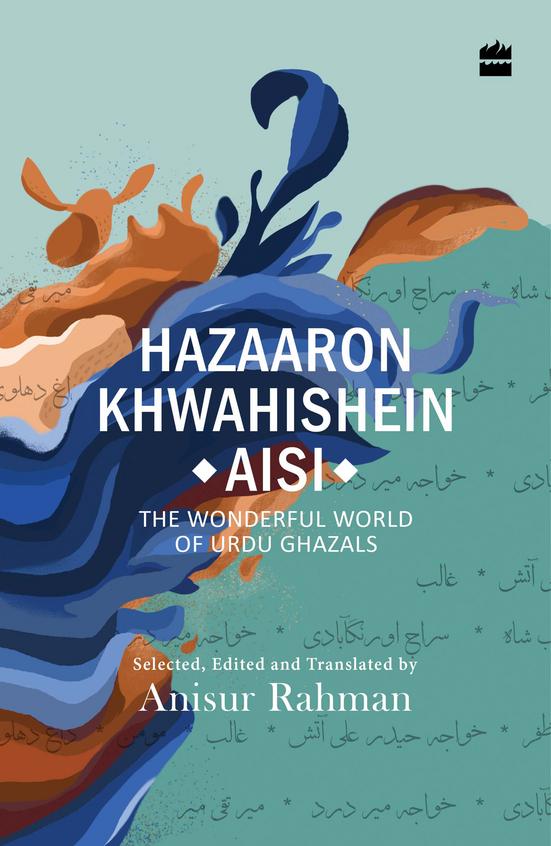
This is a work of love, skill and scholarship that reflects the vast, complex riches of the Urdu ghazal tradition. A must-buy for any lover of poetry! – Tabish Khair The ghazal is a literary curiosity, a quintessential form of poetic expression, known for its infectious appeal
| Author Name |
Christophe Jaffrelot |
|---|---|
| ISBN |
9789394407985 |
| Year of Publication |
2022 |
| Pages |
536 |
| Language |
English |
| Binding |
Paperback |
| Publisher |
HarparCollins |
1 in stock
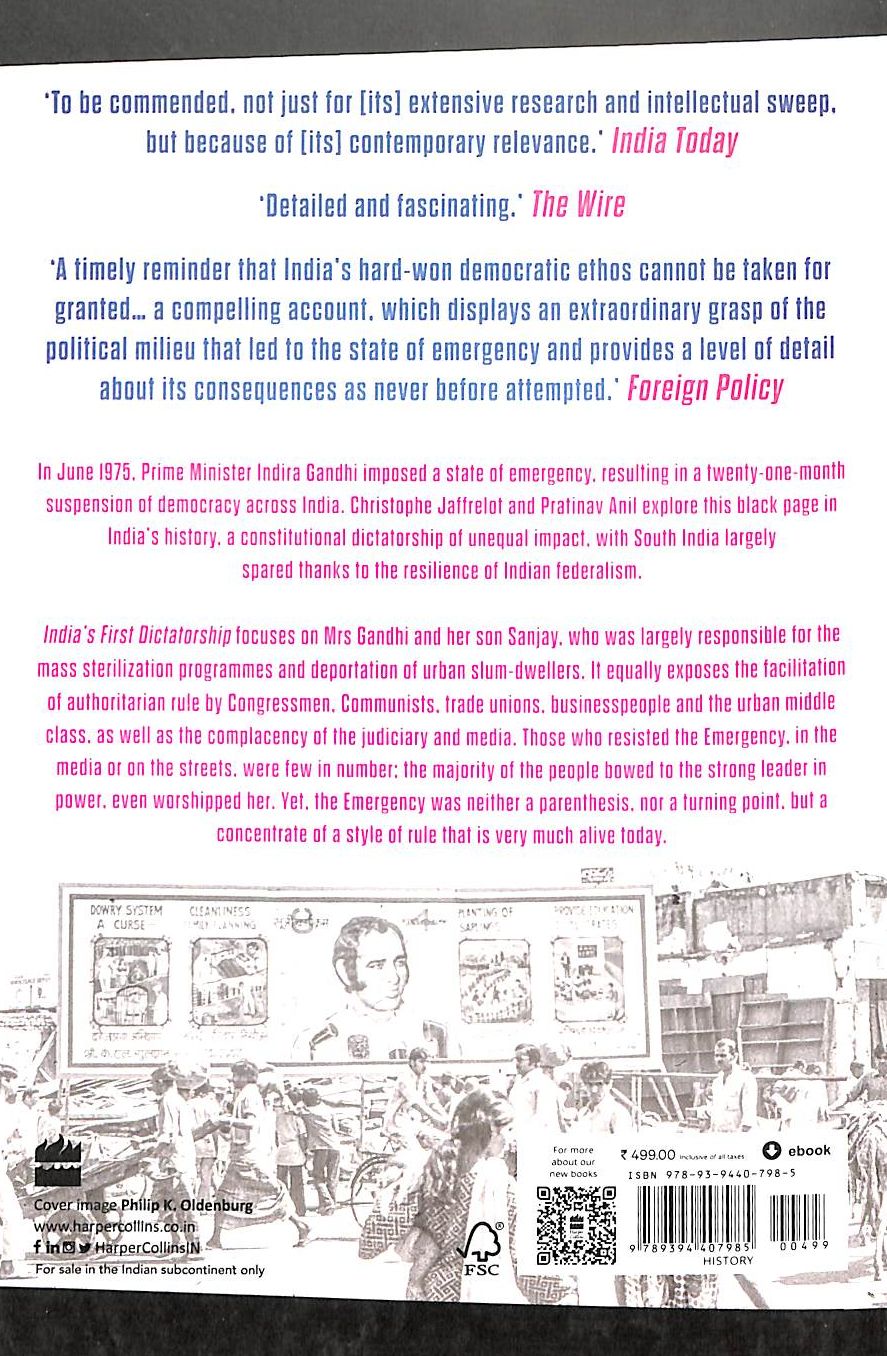
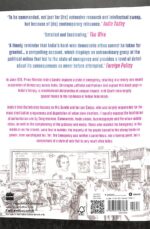
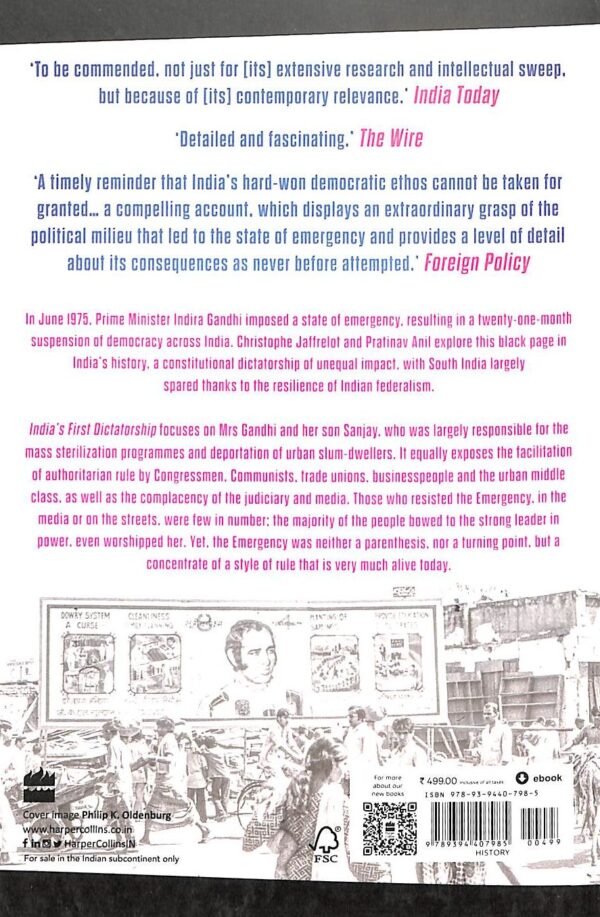
In June 1975 Prime Minister Indira Gandhi imposed a state of emergency, resulting in a 21-month suspension of democracy. Jaffrelot and Anil explore this black page in India’s history, a constitutional dictatorship of unequal impact, with South India largely spared thanks to the resilience of Indian federalism.
India’s First Dictatorship focuses on Mrs Gandhi and her son, Sanjay, who was largely responsible for the mass sterilisation programmes and deportation of urban slum-dwellers. However, it equally exposes the facilitation of authoritarian rule by Congressmen, Communists, trade unions, businessmen and the urban middle class, as well as the complacency of the judiciary and media. While opposition leaders eventually closed ranks in jail, many of them—especially in the RSS—tried to collaborate with the new regime. Those who resisted the Emergency, in the media or on the streets, were few in number.
This episode was an acid test for India’s political culture. While a tiny minority of citizens fought for democracy during the Emergency, in large numbers the people bowed to the strong woman in power, even worshipped her. Equally importantly, Hindu nationalists were endowed with a new legitimacy. Yet, the Emergency was neither a parenthesis, nor so much a turning point but a concentrate of a style of rule that is very much alive today.
Christophe Jaffrelot is Avantha Chair and Professor of Indian Politics and Sociology at the King’s India Institute, and Research Lead for the Global Institutes, King’s College London. He teaches at Sciences Po CERI, where he was director between 2000 and 2008.
Pratinav Anil is a Lecturer in History at St Edmund Hall, University of Oxford, whose writings have appeared in The Times, The Guardian, Spectator, and Histo
List of Tables
Abbreviations
Glossary
Preface
Introduction
Part I
The Varieties of Authoritarianism: What Kind of Regime Was the Emergency?
1. A Constitutional Dictatorship
2. The Political Economy of the Emergency: Looking for an Ideology
3. Subverting Institutions: Remnants of Democracy
4. An Era of Sultans: Sanjay’s Emergency
5. The Uneven Geography of Tyranny
Conclusion to Part I
Part II
Causes and Beyond: What Made the Emergency “Necessary” and Possible
6. Immediate Causes: The JP Movement and the Allahabad Judgment in Perspective
7. Mrs Gandhi’s Personalisation of Power, 1966-1975
8. An Incongruous Coalition
Conclusion to Part 2
Part III
Resistance and End Game
9. An Uneven Resistance
10. Lifting the Emergency: What Return to Democracy?
Conclusion: Interpreting the Emergency
Glossary
List of Acronyms
Bibliography
Index





Reviews
There are no reviews yet.