


Mistaken Modernity: India Between Worlds
Original price was: ₹350.00.₹300.00Current price is: ₹300.00.
A thought-provoking study of modern India, Mistaken Modernity explores how traditional attitudes, caste, status, family connections and social behaviour continue to influence a society that considers itself modern.
| Author Name |
Dipankar Gupta |
|---|---|
| ISBN |
9788172234140 |
| Year of Publication |
2001 |
| Pages |
235 |
| Language |
ENGLISH |
| Binding |
Paperback |
| Publisher |
HarperCollins India |
1 in stock
ISBN:9788172234140
Year Of Publication: 2001
Pages :235
Language : English
Binding : PEPARBACK
Publisher: HarperCollins India
Mistaken Modernity: India Between Worlds explores the paradoxes of contemporary Indian society. Dipankar Gupta argues that modernity should not be measured simply by technology, consumption or material progress, but also by attitudes and social relationships. Through examples involving caste, status, family networks and politics, the book examines how older social patterns continue to exist alongside modern lifestyles.
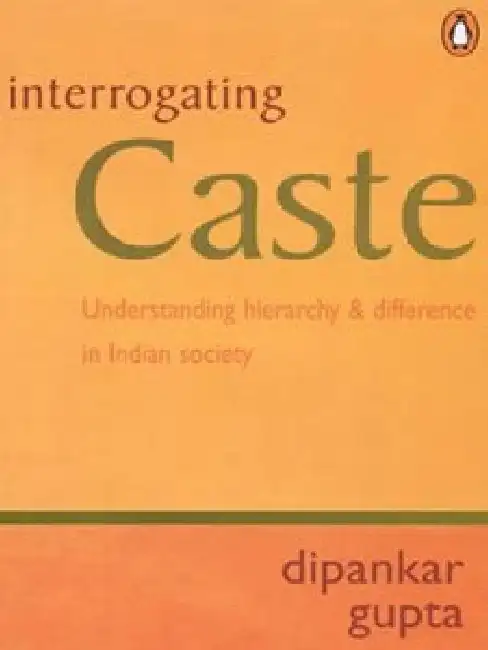
Dipankar Gupta is an Indian sociologist and academic who has taught at Jawaharlal Nehru University and other institutions. His work focuses on Indian society, caste, politics, ethnicity, modernity and social change. He has written several influential books on Indian sociology, including Interrogating Caste, Political Sociology in India and Nativism in a Metropolis. His academic and newspaper writing frequently examines the relationship between social structures and contemporary Indian life.
Mistaken Modernity: India Between Worlds examines the contradictions that exist within India's transition towards modernity. Dipankar Gupta challenges the idea that being technologically advanced, consuming modern products or adopting Western lifestyles necessarily makes a society modern.
The book looks at everyday social practices and institutions, including caste, family relationships, social status, political patronage and ideas of purity and pollution. Gupta argues that traditional patterns can remain deeply embedded in social behaviour even when people appear modern in their lifestyles.




Reviews
There are no reviews yet.