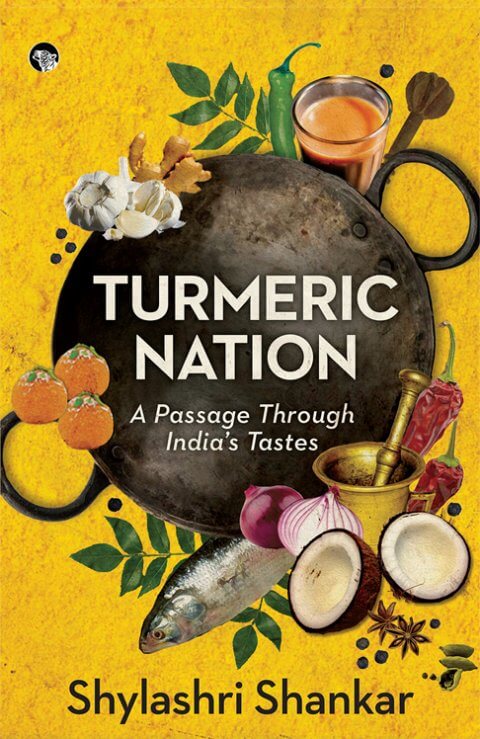
Turmeric Nation
Original price was: ₹599.00.₹559.00Current price is: ₹559.00.
An engaging exploration of India’s diverse food cultures and culinary traditions. Shylashri Shankar examines how food connects with history, religion, caste, gender, politics and personal identity, offering a fascinating perspective on Indian society through its tastes and eating habits.
| Author |
Shylashri Shankar |
|---|---|
| ISBN |
9788194472995 |
| Year Of Publication |
2020 |
| Pages |
334 |
| Language |
English |
| Binding |
paperback |
| Publisher |
Speaking Tiger |
ISBN: 9788194472995
Year Of Publication:2020
Pages : 334
Language : English
Binding : paperback
Publisher: Speaking Tiger
The book approaches food as an important expression of individual and collective identity. It explores the connections between culinary preferences, cultural practices, social relationships and historical experiences.
Through essays covering geography, mythology, sociology, literature, cinema and personal memories, the author examines the commonalities and differences within Indian cuisine.
It also raises questions about national cuisine, food taboos, vegetarianism, religious traditions and the social consequences of what people choose to eat or reject.
- Shylashri Shankar is an award-winning Indian author, researcher, food historian and political scientist. Her work explores the relationship between food, culture, politics, society and identity.
Her book Turmeric Nation received the AutHer Award for Best Non-Fiction in 2021. She is also the author of the novel Blood Caste, which received the 2022 Spotlight First Novel Award.
Her writing combines interdisciplinary research, historical perspectives and personal observations to examine contemporary Indian society
Shylashri Shankar takes readers on an intellectual and cultural journey through India's extraordinary relationship with food.
The book explores the significance of taste, pleasure, pain and memory, showing how food influences human behaviour and personal identity. It examines historical and religious food traditions, including the last meal of the Buddha, sacred foods offered to gods and prophets, and references to aphrodisiacs in the Kamasutra.
The author also investigates the relationship between food and social hierarchy, highlighting Dalit food traditions and the ways in which caste influences culinary practices.










Reviews
There are no reviews yet.