
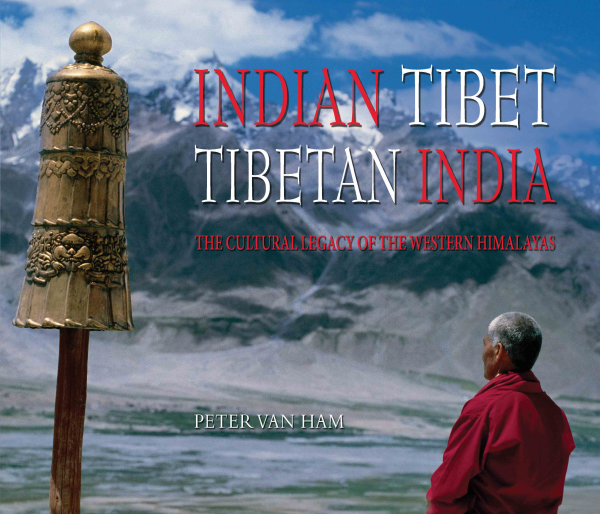
Indian Tibet, Tibetan India: The Cultural Legacy of the Western Himalayas
Original price was: ₹2,495.00.₹2,490.00Current price is: ₹2,490.00.
A beautifully illustrated study of the cultural heritage of the Western Himalayas, exploring the historical and artistic connections between India and Tibet. Featuring 365 colour photographs, Peter van Ham documents the region’s Buddhist art, monasteries, architecture, communities and traditional ways of life.
| Author |
Peter van Ham |
|---|---|
| ISBN |
9789383098934 |
| Year Of Publication |
2016 |
| Pages |
244 |
| Language |
English |
| Binding |
hardcover |
| Publisher |
Niyogi Books |
ISBN: 9789383098934
Year Of Publication:2016
Pages : 244
Language : English
Binding : hardcover
Publisher: Niyogi Books
The book examines the Western Himalayas as a meeting point of Indian and Tibetan civilisations, bringing together historical research, cultural documentation and photography.
Major regions and subjects covered include:
-
Indian Tibet and Tibetan India: Cultural exchange, cross-relations and historical interactions between the Himalayan communities of India and Tibet.
-
Exploration of the Western Himalayas: Early expeditions and the history of European and Indian exploration.
Peter van Ham is a German author, photographer, educator and producer of musical and visual media based in Frankfurt. He is recognised for his research and publications on Himalayan cultures, particularly the historical and cultural heritage of India's border regions.
His work focuses on the history, religion, art, architecture and traditional communities of the Himalayas. He has travelled extensively through remote Himalayan regions and documented their distinctive cultural traditions through photography and research.
Indian Tibet, Tibetan India presents a comprehensive account of the Western Himalayas, a region shaped by centuries of cultural interaction between India and Tibet.
The book begins with the history of exploration in the Himalayan borderlands, including the pioneering expedition of August Hermann Francke in 1909. It explains how the region came to be associated with the term "Indian Tibet" and explores the cultural relationships that developed across the mountain frontier.






Reviews
There are no reviews yet.