
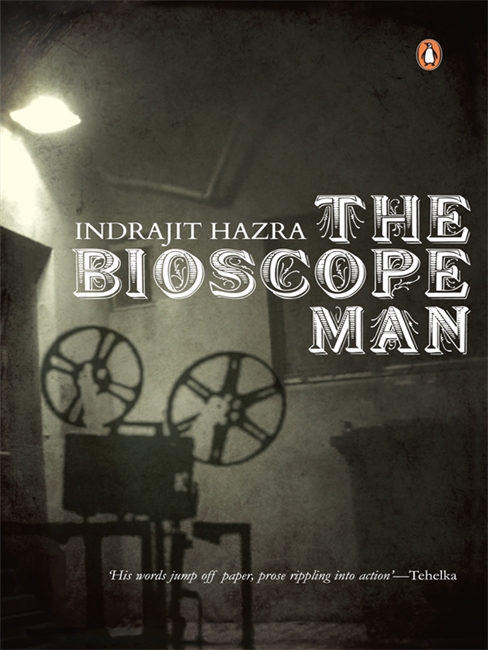

The Bioscope Man
Original price was: ₹299.00.₹225.00Current price is: ₹225.00.
A witty historical novel about ambition, cinema, identity and self-deception in 1920s Calcutta.
| Author Name |
Indrajit Hazra |
|---|---|
| ISBN |
9780143101741 |
| Year of Publication |
2008 |
| Pages |
320 |
| Language |
English |
| Binding |
Paperback |
| Publisher |
Penguin |
1 in stock
ISBN: 9780143101741
Year Of Publication: 2008
Pages : 320
Language : English
Binding : Paperback
Publisher: Penguin
Set in Calcutta around 1920, The Bioscope Man follows Abani Chatterjee, a young man determined to become one of India's first silent-screen stars. His rise takes place against the backdrop of a city whose political importance is fading as the British administration shifts its capital from Calcutta to Delhi.
Abani's life takes an unexpected turn when German director Fritz Lang arrives to make a film about the Orientalist Sir William Jones. Abani persuades Lang to focus instead on Pandit Ramlochan Sharma, Jones's Sanskrit tutor, and takes the lead role himself. The resulting film becomes a reflection of Abani's own complicated life, ambitions and illusions.
-
Indrajit Hazra is an Indian novelist and journalist. He is the author of The Burnt Forehead of Max Saul, The Garden of Earthly Delights and The Bioscope Man. He has also worked as a journalist with the Hindustan Times, where he writes the weekly column Red Herring. His fiction is known for its wit, historical imagination and engagement with urban India.





Reviews
There are no reviews yet.